Companies that went bankrupt in 2025
Forever 21
Forever 21, a fast fashion brand, targeted women from 15-30 years old. The US company went bankrupt in March 2025 so the 14 Japan stores lost their suppliers. They tried to survive by making clothes in Japan instead. Do you think they were successful?
The cost of producing clothes in Japan was too high so the Japan stores went bankrupt after 7 months.
Why do you think the brand went bankrupt?
online competition
Gen Z values
Some Gen Z customers really care about having sustainable clothes that are good for the environment. Forever 21 clothes are made to be used for 1 or 2 seasons then thrown away.
The two main rivals are the online stores Shein and Temu.
Q1: Have you bought anything from these stores before?
Q2: What is your opinion of these 2 online stores?
Q3: Do you know any differences between them?
| Feature | SHEIN (Japan) | TEMU (Japan) |
|---|---|---|
| Core Age | Gen Z & Young Millennials (Ages 15 to 25) |
Older Millennials, Parents & Seniors (Ages 30 to 60+) |
| Gender Bias | Heavily Female (Approx. 75% women) |
Balanced (Mix of men, women, and families) |
| Main Products Bought |
|
|
| Est. Japan Sales Revenue (GMV) | Approx. ¥150 - ¥200 Billion Driven by heavy local influencer campaigns and standalone pop-up concepts. |
Approx. ¥420+ Billion Japan represents ~5.9% of Temu's massive global GMV, trailing only the US and Germany. |
Have you heard of any scandals involving these companies?
Dangerous Materials
The EU found that over 100,000 items (Toys, cosmetics and electronic batteries) sold on these sites used dangerous materials.
In 2026 the EU fined Temu €200 million for failing to remove the dangerous items
The EU fined Shein for lying about “green” products. Shein lied about…
products being recyclable or sustainable
their goal to cut greenhouse emissions by 30%
products having “no plastics” in them
Breaking Copyrights
Shein is currently suing Temu for stealing internal trade secrets and making “copycat items”
Shein has been sued by dozens of brands (Uniqlo, Levis, H&M) for doing the same thing.
sue (verb) = take someone to court to get money from them
Xinjiang Cotton
Shein’s cotton often comes from Xinjiang which is banned in the US, Canada, EU and UK. China has put around 1 million Muslim Uyghurs in prisons and is forcing them to work in cotton fields and factories.
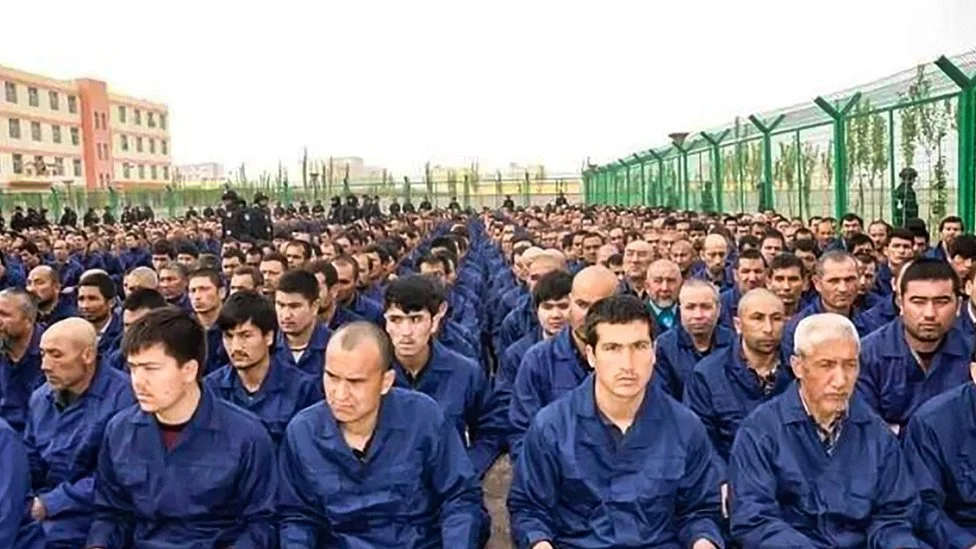
Uyghur = “wee-ger” ウイグル
Sonder


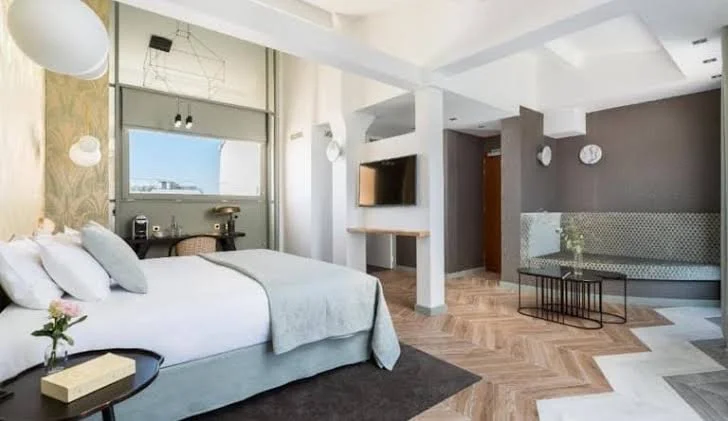
Sonder apartments in New York, London and Paris
Sonder was a company that rented out apartments. They wanted to combine the comfort of an apartment with the safety and services of a hotel.
Airbnb has many individual owners so the quality and safety differs each time. Sonder wanted to fix the problem by renting out whole buildings or floors.
They decorated the rooms with a similar style to maintain quality and comfort
Q: Why would people choose Sonder apartments instead of a normal hotel?
room size
kitchen / laundry
everything done by app
Their rooms were bigger but prices were the same as or cheaper than hotels in the same area
Some travellers wanted to comfortably cook, eat or heat up food in their room to save money or to relax
Doing laundry let people bring fewer clothes when travelling and saved money
Everything was done by their app so Sonder didn’t need to hire staff to work on the site.
check in
ask questions
ask for help or advice about the local area
unlock doors
access wi-fi
The app only system usually appealed to young travellers
Why do you think Sonder went bankrupt?
Some people prefer in-person services that a hotel provides
International travel was slow to recover after the pandemic
High fuel costs and inflation also affected travellers
The company expanded too quickly and bought too many properties. They often couldn’t fill the properties with guests
Sonder and Marriott hotels tried to integrate their booking systems to save the company but the integration costs were too high so Mariott pulled out of the deal.
23 and Me
23andMe was a company that tested your genes.
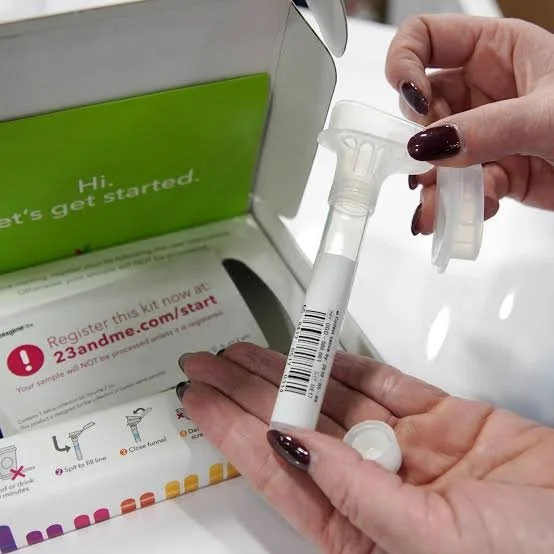
genes “jeenz” - 遺伝子
Why do people want to check their genes?
If you send your saliva in a tube to the company, you could find out…
where your ancestors come from
who your relatives are if they used the same service
your risk of having genetic diseases (cancer, Alzheimer’s, Parkinsons, Type 2 diabetes)
what foods you may have trouble with (caffeine, milk, alochol, gluten)
saliva “sah-lie-va” = liquid from your mouth つば
relatives = any family member (includes grandparents, cousins, uncles, aunts)
cancer =癌
Alzheimer’s disease =アルツハイマー病
Parkinson’s disease =パーキンソン病
Type 2 diabetes = 2型糖尿病 “die-ah-bee-teez”
Have you heard of a company offering this service in Japan?
Would 23andme be popular here?
23andme became popular in the US because almost everyone is NOT from America. People are excited to learn that their ancestors are from places they didn’t realize.
This was a popular service so why did the company go bankrupt?
Hint: think about their business model
The main reason was customers only used this service once. It didn’t have recurring revenue.
Is there a subscription service they could offer?
Using all the DNA data they have collected, what could the company do to make more money?
They tried offering an annual subscription that gave members the latest medical information on the genetic diseases that may affect them. It wasn’t popular.
In 2018 23andMe partnered with GlaskoSmithKline (GSK), a large pharmaceutical company, to research, develop and sell drugs for genetic illnesses. Do you think this was a good idea?
The initial plans seemed good and they identified some illnesses they could research however drug development is extremely expensive and takes years so 23andMe ran out of money before any successes could be found.
Beyonca
In 2021 Soh Wei Ming, the former Vice President of Volkswagon group and former chairman of Renault China, announced his plan to build a luxury EV brand called “Beyonca.” It has support from Renault, China’s DongFeng Motor and Middle Eastern investors.
The luxury EV sedan would cost $140,000
It would have medical technology that could monitor your health condition while driving.
If the cars detects you are sick, it will contact a doctor who can see you from the in-car cameras.
If you have a heart attack or faint, it will call an ambulance.
If it sensed you were stressed, it would change to “relaxing lighting and music” mode.
It would be the first car to be manufactured in Hong Kong.
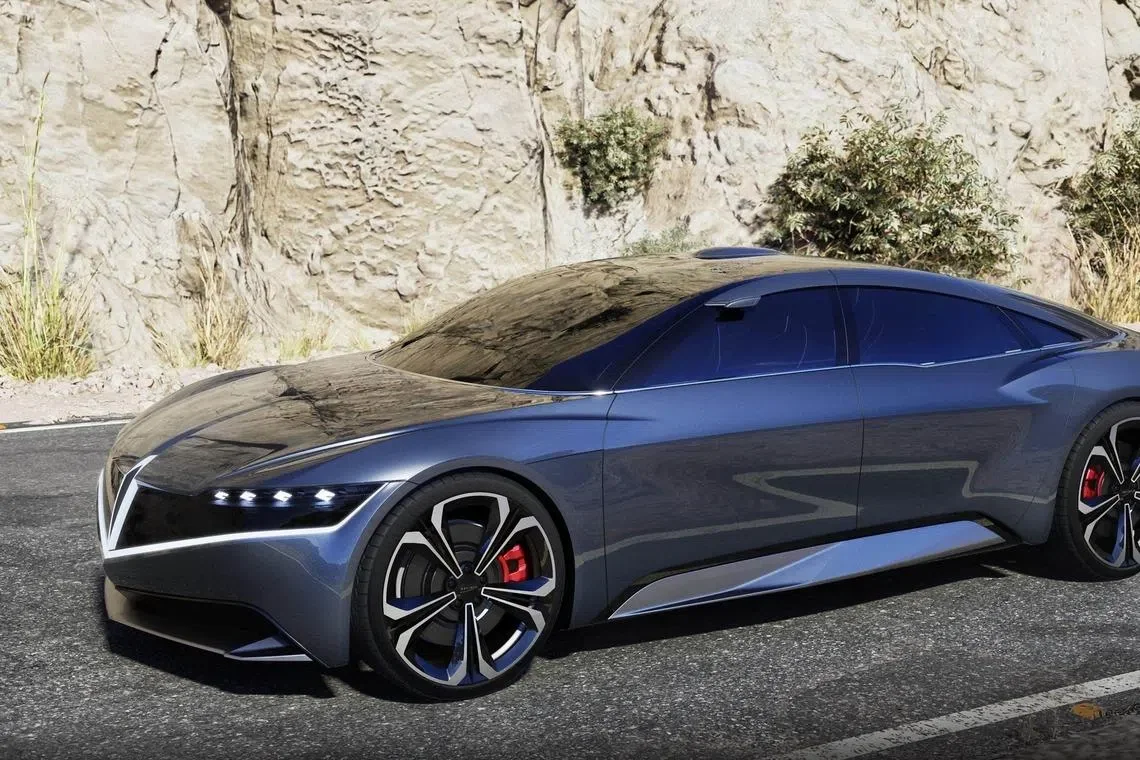
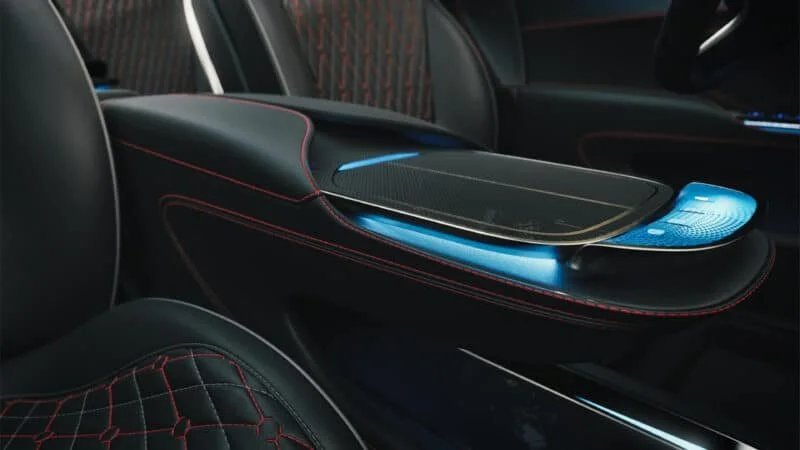
Do you think this car can be popular?
Why do you think they wanted to manufacture the cars in Hong Kong?
brand image
tariffs
logistics
They hoped that “made in Hong Kong” would create a higher-class image than “made in China”
Cars made in China have to pay high tariffs when they are imported to many countries
The location of Hong Kong is a great trading point for shipping goods to South East Asia, Japan and the Middle East.
Why did the company go bankrupt?
Rich people will have a driver. They don’t drive themselves
The company went bankrupt because it failed to find investors who believed in it’s success. Low cost Chinese EV makers were cutting prices to compete with each other.
Premium rivals, like Mercedes, BMW or Porsche already had a loyal fan base and customer trust.
Nikola Motors
(Bonus company)
Nikola Motors was developing electric and hydrogen fuel cell trucks to transport goods across the US. Their goal was to challenge Tesla for this market.
They went bankrupt in 2025 after people noticed something suspicious about this video. What did people not like about it?
Hooters
Hooters was a casual restaurant chain with a “beach theme.” It served “American comfort food” such as chicken wings and burgers and all the waitresses wore the special hooters uniform.
Why do you think it went bankrupt in 2025?
It went bankrupt, like many casual restaurants, in the US due to rising labor and food costs. The weak economy also means customers had less disposable income to eat out.
disposable income = salary - necessities (such as rent, food, taxes, transport.)
Hooters first opened in Japan in 2010 in Akasaka (Tokyo).
Do you think it was popular?
It was a huge hit because it was seen as a US culture hub. You could watch American sports and eat American food. At it’s peak it has 7 branches in Japan:
Tokyo (4 locations): Akasaka, Ginza, Shibuya, and Shinjuku
Osaka
Nagoya
Fukuoka
Q: Which branch do you think closed first?
The Fukuoka branch closed first in 2019 then 1 year later the Akasaka branch (in Tokyo) closed.
Business analysts believe the location choice was bad. Fukuoka customers prefer a quieter atmosphere and prefer Fukuoka Tebasaki chicken wings to the American style wings offered in Hooters.
What kind of area is Akasaka?
Akasaka is a high-class corporate district in downtown Tokyo. Historically, it is known for politicians, luxury hotels, and high-end traditional Japanese restaurants.
Ginza has survived because of it’s location. It’s close to both Ginza and Shimbashi stations inside the Ginza Nine mall.
Hooters still exists and is popular in many countries outside the US. (UK, Philippines, Singapore, Thailand, Canada, Mexico, etc)

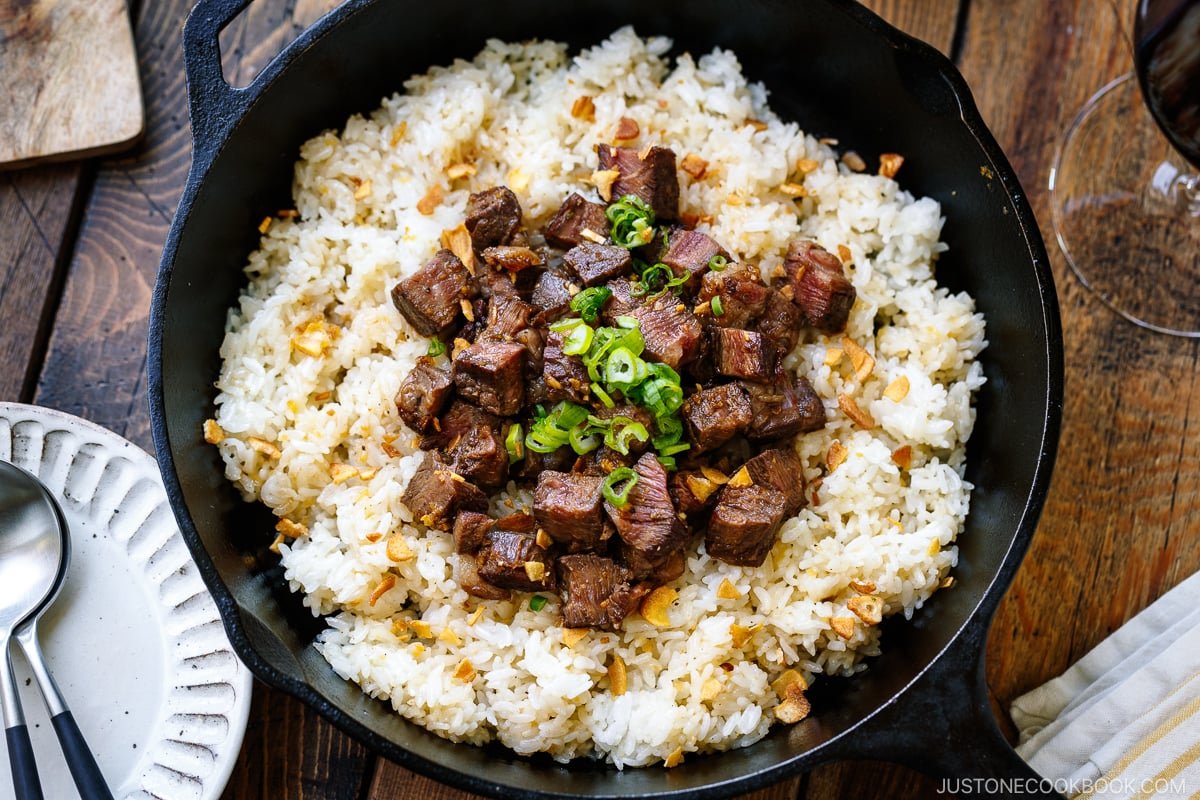
Japan had some unique menu items like…
Matcha Ice Cream
Garlic Steak and Rice
An “all you can drink” plan (飲み放題)
Why do you think these were not offered in the US?
Rice dishes and Matcha aren’t popular with Hooter’s customers in the US
“All you can drink” plans are illegal in the US (except Las Vegas) and most European countries (UK, France, Germany, etc) to stop people binge-drinking.
binge-drinking = drink a lot in a very short time
Do you think many businesses went bankrupt in Japan in 2025?
What kind of industries suffered the most?
What were the problems the companies faced?
In 2025 over 10,000 Japanese companies went bankrupt. This was a 12 year high.
The main industries affected were:
| Industry | Number of Bankruptcies | Main Causes |
|---|---|---|
| Restaurants | 3,000+ (Total Service Sector) |
High utility and food costs. Customers didn't accept price increases. Kitchen staff shortages. |
| Retail | 2,100+ | Weak domestic consumer spending. Import costs skyrocked due to the weak Yen. |
| Construction | 2,000+ | Skyrocketing material costs (steel/wood). Shortage of construction workers. |
| Manufacturing | 1,000+ | Higher energy costs and raw material import costs due to the weak Yen. Intense competition from foreign markets. |
| Healthcare | 478 (Hospitals, Clinics, & Care Providers) |
Fixed government-regulated price caps. Rising pharmaceutical and utility costs. Aging doctors who own their own clinics. |
| Logistics and Transport | 424 (321 were Trucking firms) |
Overtime caps from new laws in 2024. Extreme driver shortages. Soaring fuel prices. |
Are there any policies the government can implement to combat there problems?
Make it easier for workers to come to and stay in Japan (Takaichi’s government is doing the opposite)
Create a new system that allows companies to borrow money and if the company fails, the owner won’t also go bankrupt = Separate corporate debt from personal debt
Provide subsidies to set up automated systems for small businesses so they can operate with fewer staff:
automated ordering systems
logistics software
A.I. bookkeeping, tax filing services
robot welders
A.I. customer support